Showing posts with label tips. Show all posts

Monday, July 4, 2016

PET CT SCAN - All you need to know

What is a PET CT scan?


This advanced nuclear imaging technique combines positron emission tomography (PET) and computed tomography (CT) into one machine. A PET/CT scan reveals information about both the structure and function of cells and tissues in the body during a single imaging session.


A PET CT scan can identify changes in functioning of organs at a very early stage, often before structural changes take place. The study utilizes small amounts of radioactive tracers, which when injected into the body, give information about different body functions.


How is it different from CT or MRI?

CT, MRI and other radiological modalities like X ray, ultrasonography are structural imaging modalities, which means, they look at the size and shape of organs and other body structures.

PET imaging on the other hand, looks at functions within the body.
Hence when combined with CT, they give more information than a CT or MRI alone and pick up altered function due to disease process at a much earlier stage, before structural changes happen.

Why have I been recommended a PET CT scan?

The commonest use of this scan is in cancers, where it is used to detect and identify the areas of spread of the cancer, monitor response to treatment or plan for radiotherapy, or to guide biopsy.
PET CT scanning can also be used to evaluate certain heart diseases or neurological conditions.


Is PET safe ?


The risks associated with PET scan are very low. PET scan involves a very small amount of radioactive tracer injected into your body which decays by itself with time and is also excreted out by the body continuously through urine. The total radiation exposure during a PET CT scan roughly equals two CT scans of abdomen and pelvis.

The injected contrast material used for the CT part of the study may cause some allergy rarely, in a few patients.

Family members of the patient undergoing the scan are not at risk due to radiation because most of the radioactive medicine injected decays by the time the scan is over.

However, this radioactive exposure carries a risk for a pregnant woman carrying an unborn child and any radioactive tests should not be performed during pregnancy. Please inform your doctor before the procedure if you suspect to be pregnant.

What happens during a PET scan? Is it painful?


A PET CT scanner machine is quite similar to a CT machine and not a closed tunnel like MRI.

The patient is asked to come fasting for the test and an intravenous canulla is placed in one of the peripheral veins (on hands or arms usually). The radioactive tracer is injected and the patient is asked to rest in an isolation area for a stipulated time (usually 60-120 minutes) and sip some oral contrast material. The most commonly used radioactive tracer (Fluorodeoxyglucose) is an inert substance and does not cause any interaction or side effects in the body.

The scanning procedure per se is painless and intravenous CT contrast may or may not be used during the scan, as per the need and physician’s discretion. 


Thanks for reading and please keep visiting our blog to discover and appreciate more Yoddhas. 
Feel free to contact the Yoddhas team at team@yoddhas.com 
Join our free patients group https://www.facebook.com/groups/yoddhathewarrior/
Lastly, Praise the Yoddhas; Support the Yoddhas ; Love the Yoddhas!


Author- 


Dr.Sugandha Dureja
Founder Member,
MBBS, DNB, FEBNM
Fellow Theranostics (Germany)
At. Consultant, Nuclear Medicine
FMRI, Gurgaon
CNETS India.
Also Yoddhas Medical Expert Panelist

Sunday, July 3, 2016

MEDICAL BLOGS:LYMPHOMAS

Lymphoma is cancer that begins in infection-fighting cells of the immune system, called lymphocytes. These cells are in the lymph nodes, spleen, thymus, bone marrow, and other parts of the body. When you have lymphoma, lymphocytes change and grow out of control.
                                      
There are two main types of lymphoma:
Every type of lymphoma grows at a different rate and responds differently to treatment.
Scientists don't know what causes lymphoma in most cases.
  *When did you first notice changes?
  * Do you have pain? Where?
  * How is your appetite?
  * Have you lost any weight
  * Do you feel tired or weak?
  * Have you ever been treated for lymphoma or another cancer?
  * Do you have any infections or illnesses?
  * Do any cancers run in your family?
You might get a lymph node biopsy to check for cancer cells. For this test, your doctor will remove all or part of a lymph node, or use a needle to take a small amount of tissue from the affected node.
These include:
   * Immunophenotyping
   * Flow cytometry
   * Fluorescence in situ hybridization testing
Classification systems generally classify lymphoma according to:
1)  Whether or not it is a Hodgkin lymphoma
2) Whether the cell that is replicating is a T cell or B cell
3) The site from which the cell arises


CT scan or PET scan imaging modalities are used to stage a cancer.
   * What stage is my cancer?
   * Have you treated people with this kind of lymphoma before?
   * What treatments do you recommend?
   * How will the treatments make me feel?
   * What will help me feel better during my treatment?
   * Are there any complementary treatments I could consider, along with the medical care? Are there any I should avoid?
The main treatment for non-Hodgkin lymphoma are:
   * Chemotherapy. It uses drugs to kill cancer cells.
   * Radiation therapy. It uses high-energy rays to destroy cancer cells.
   * Immunotherapy. It uses your body's own immune system to attack cancer cells.
   * Radiation therapy
   * An autologous transplant uses your own stem cells.
   * An allogeneic transplant uses stem cells taken from a donor
Treatment for these types of lymphoma typically consists of aggressive chemotherapy, including the CHOP or R-CHOP regimen. A number of people are cured with first-line chemotherapy
Most relapses occur within the first two years, and the relapse risk drops significantly thereafter.
For people who relapse, high-dose chemotherapy followed by autologous stem cell transplantation is a proven approach.
Advanced Hodgkin disease requires systemic chemotherapy, sometimes combined with radiotherapy. Chemotherapy used includes the ABVD regimen, which is commonly used in the United States. Other regimens used in the management of Hodgkin lymphoma include BEACOPP and Stanford V. Encouragingly, a significant number of people who relapse after ABVD can still be salvaged by stem cell transplant.
Lymphoma treatment can cause side effects. Talk to your medical team about ways to relieve any symptoms you have.
Also ask your doctor about changes to your diet and exercise that will help you feel better during your treatment. Ask a dietician for help if you're not sure what types of food to eat. Exercises like walking or swimming can relieve fatigue and help you feel better during treatments like chemotherapy and radiation. You might also try alternative therapies like relaxation, yoga, meditation to relieve the pain.
  * The kind of lymphoma you have
  * How far the cancer has spread
  * Your age
  * The type of treatment you get
  * Other associated health problems you may have.


·      Non-Hodgkin: Most people with lymphoma have this type.
·      Hodgkin
Non-Hodgkin and Hodgkin lymphoma each affect a different kind of lymphocyte. 
Even though lymphoma is cancer, it is very treatable.

Causes:

You might be more likely to get it if you:
·      Are in your 60s or older
·      Are male
·       Have a weak immune system from HIV/AIDS, an organ transplant, or because you were born with an immune disorder
·       Have an immune system disease such as rheumatoid arthritis, Sjogren's syndrome, lupus, or celiac disease
·       Have been infected with a virus such as Epstein-Barr, hepatitis C virus, T- cell leukemia/lymphoma (HTLV-1), or human herpesvirus 8 (HHV8)
·       Have a close relative who had lymphoma
·      Were exposed to benzene or chemicals that kill bugs and weeds
·       Were treated for Hodgkin or non-Hodgkin lymphoma in the past
·       Were treated for cancer with radiation

Symptoms:

·      Swollen glands (lymph nodes), often in the neck, armpit, or groin
·       Cough
·       Shortness of breath
·       Fever
·      Night sweats
·      Stomach pain
·      Fatigue
·       Weight loss
·      Itching

Getting a Diagnosis
Before you have any tests, your doctor will want to know:
Your doctor will check you for signs of lymphoma and will feel for swollen lymph nodes. This symptom doesn't mean you have cancer. Most of the time, an infection unrelated to cancer causes swollen lymph nodes.
You might also have one of these tests to see how far the lymphoma has spread:
·      Blood test. 
·      Bone marrow aspiration or biopsy. Your doctor uses a needle to remove fluid or tissue from your bone marrow, to look for lymphoma cells.
·      Chest X-ray.
·      MRI..
·      PET scan. It uses a radioactive substance to look for cancer cells in your body
·       Molecular test. It looks for changes to genes, proteins, and other substances in cancer cells to help your doctor figure out which type of lymphoma you have.

Several classification systems have existed for lymphoma, which use histological and other findings to divide lymphoma into different categories. The classification of a lymphoma can affect treatment and prognosis
Hodgkin lymphoma
Hodgkin lymphoma is one of the most commonly known types of lymphoma and differs from other forms of lymphoma in its prognosis and several pathological characteristics. It is marked by the presence of a type of cell called the Reed Sternberg cell.
Non-Hodgkin lymphomas
Non-Hodgkin lymphomas include all lymphomas, except Hodgkins lymphoma, and are more common than Hodgkin lymphoma. A wide variety of lymphomas are in this class, and the causes, the types of cells involved, and the prognosis vary by type. The incidence of non-Hodgkin lymphoma increases with age. It is further divided into several subtypes.

STAGING OF CANCER:

After a diagnosis and before treatment, a cancer is staged. This helps to determine, if the cancer has spread, and if so, whether locally or to distant sites. Staging is reported as a grade between I (confined) and IV (spread).Staging is carried out because the stage of a cancer impacts its prognosis and treatment.
The Ann Arbor staging system is routinely used for staging of both HL and NHL. In this staging system, I represents a localized disease contained within a lymph node, II represents the presence of lymphoma in two or more lymph nodes, III represents spread of the lymphoma to both sides of the diaphragm, and IV indicates tissue outside a lymph node.
Questions You Can Ask Your Doctor
   *What type of lymphoma do I have?
Treatment
The treatment you get depends on what type of lymphoma you have and how far it has spread.
The main treatments for Hodgkin lymphoma are:
   * Chemotherapy
If these treatments don't work, you might have a stem cell transplant. First you'll get very high doses of chemotherapy. This treatment kills cancer cells, but it also destroys stem cells in your bone marrow that make new blood cells. After chemotherapy, you will get a transplant of stem cells to replace the ones that were destroyed.
Two types of stem cell transplants can be done:
Many low-grade lymphomas remain indolent for many years. Treatment of an assymptomatic patient is often avoided. In these forms of lymphoma, such as follicular lymphoma, watchful waiting is often the initial course of action as the risks of treatment outweigh the benefits.
Treatment of more aggressive, forms of lymphoma can result in a cure in the majority of cases, but the prognosis for patients with a poor response to therapy is worse.
Hodgkin lymphoma typically is treated with radiotherapy alone, as long as it is localized.

Taking Care of Yourself:

Your outlook depends on:
Getting Support
·      You can get support from people who have gone through this kind of illness.
·      Contact the Leukemia & Lymphoma Society or Lymphoma Research Foundation to learn more.
·      Team Yoddhas online support group in India


Thanks for reading and please keep visiting our blog to discover and appreciate more Yoddhas. 
Feel free to contact the Yoddhas team at team@yoddhas.com 
Join our free patients group https://www.facebook.com/groups/yoddhathewarrior/
Lastly, Praise the Yoddhas; Support the Yoddhas ; Love the Yoddhas!


Author- 


Dr. Gayatri Bhat
Doctor , blood cancer survivor and a member of Yoddhas Medical Expert Panel


MEDICAL BLOGS:DIET FOR CANCER PATIENTS (Part - 2)

Cancer treatment cause side-effects like nausea and taste changes leading to a loss of appetite. It is essential that patients don’t have too many dietary restrictions imposed on them. A good diet for a cancer patient contains a mix of vegetables and meat, and avoids extremely sweet and oily foods.
·      Preferred cooking methods are steaming, boiling, and stir-frying rather than deep frying, grilling, barbecuing and baking.
·      A balanced diet should provide the body with proteins (to build tissues, prevent infection, heal wounds and maintain a healthy immune system), carbohydrates and fats (energy sources), vitamins and minerals (for proper growth, body functioning) and, most importantly, plenty of water and fluids to prevent dehydration.

FOODS TO BE INCLUDED:
Vegetables:
                                         
·      Tomatoes, carrots, peas, pumpkin and turnips for vitamins and fiber.
·      Tomatoes, tomato puree and parsley (especially good for prostate cancer patients)
·      Cruciferous vegetables like broccoli, cauliflower and cabbage contain plant chemicals that can convert bad oestrogen into good oestrogen, and hence reduce cancer risk as well as the risk of a relapse
·      Asparagus and Brussels sprouts for their rich antioxidants
·      Bitter gourd for lowering blood sugar levels
·      Green leafy vegetables for calcium and iron
   Fruits
                                   
·      Oranges provide vitamin C
·      Bananas, kiwi, peaches, mangoes, pears and strawberries for vitamins and fibre
·      Avocados, guava, apricots, figs, prunes and raisins for energy
Proteins
                                           
·      Lean meat, fish, poultry, eggs, tauhu and taukwa 
·      Dairy products, nuts, dried beans, dals and chickpeas
·      Fish and soy foods (especially good for prostate cancer patients)
Carbohydrates
                                               
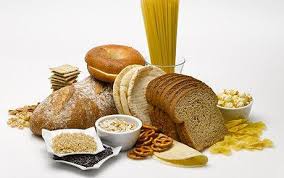
·      Rice, Iddli, noodles, chapatti, whole grain bread and pasta. 
·      Raggi.
·      Wholegrain crackers, oats, corn, potatoes, beans and dairy products
·      Honey, consumed in moderation for its anti-bacterial and anti-fungal properties which may help in preventing infections.

SOME GOOD ITEMS TO INCLUDE IN DIET FOR CANCER PATIENTS:

·      Fish oil will provide long chain omega-3, a powerful anti-inflammatory in the body that minimizes COX-2 and its abilities to drive localized negative hormones called eicosanoids which cause inflammation - driving cancer and metastases. Fish oils have been linked to reduced levels of prostate, breast and colon cancer. Research shows they help prevent cachexia when having chemotherapy. Please note that the omega 3 from flax seed is short-chain, equally important but has different benefits (for example, it helps oxygenate the tissues and provides essential fibre).
·      Carotenoids - Carrots, peppers and greens, apricots, red and yellow peppers, greens like spinach and sweet potatoes, carrots provide anti-cancer carotenoids like beta-carotene, which converts to vitamin A, as and when required by the body. Raw carrots are also high in pectins - your helpful gut bacteria will love you for eating pectins and give you more in return.
·      Ginger Fresh, raw ginger has a number of very important benefits in cancer. It is a terrific anti-inflammatory agent in the body and reduces the effects of COX-2. This produces benefits throughout the body and especially in the gut, reducing rates of cancer spread.
·      Seed are full of good oils, whole vitamins in a natural form (like vitamin E) and fiber to strengthen your gut flora. People who consume the highest levels of natural fiber have higher immune systems.Sunflower Seeds high in zinc and natural vitamin E. Zinc helps vitamin C do its work and accelerates healing time.Pumpkin Seeds provides Vit E.Sesame Seed: Both sesame and flax lignans are converted to compounds that can arrest estrogen cancers.
·      Nuts ( Walnuts, Almonds)
·      Mushrooms boost the immune system and fight cancer. Even the button mushroom has cancer fighting ingredients.
·      Tomatoes contain Lycopene is the prime active ingredient. It is also found in strawberries, peppers, carrots & peaches. Lycopene is a strong antioxidant.
·      Broccoli Like other green cruciferous vegetables (e.g. cabbage, kale, Brussels sprouts), broccoli contains fiber which helps eliminate toxins. Broccoli also contains indoles, and especially indole3carbinol which aids in fighting estrogen-driven cancers like some breast, prostate, brain and colorectal cancers.
·      Garlic : Active ingredients like allicin seem to act to stop the spread of cancer in a number of ways, for example by stopping blood supply formation for tumors. Garlic also kills microbes and yeasts - after taking drugs and antibiotics the body is often susceptible to these. Garlic is also anti-inflammatory in the body. It has a number of active ingredients. It contains selenium, tryptophan and sulfur-based active agents that attack cancer cell.
·      Beetroot and cherries, aubergines, plums, red grapes - indeed any purple colored fruits and vegetables, contain anthocyanins (and sometimes also resveratrol). Anthocyanins have been shown to kill cancer cells; Resveratrrol has research supporting its role in fighting certain cancers like blood and brain cancers too.
·      Pulses Lentils, chickpeas, beans, peas, kidney beans and even soy beans are a great source of plant protein. Most importantly they release their carbohydrate slowly because of their high fiber content.

FOODS TO BE AVOIDED:

·      Deep fried, grilled, barbecued, baked meats since subjecting animal protein to high heat creates carcinogenic byproducts called hetero-cyclic amine
·      Excessive intake of salt, sugar, and oily foods.
·      Red meat and processed meats such as bacon, ham, sausages.
·      Preserved foods like pickles, jams, kiam chye (salted mustard green), and century eggs as they contain nitrites which are carcinogenic.
·      Minimize alcohol
·      Additionally, cancer patients should avoid excessive intake of vitamin supplements, as they act as antioxidants and can interfere with chemotherapy when taken in large doses.

Certain foods that can help ease the common discomforts from cancer treatment:

·      Conquer constipation by drinking water and eating high-fiber foods like beans, lentils, vegetables, and fresh or dried fruit.
·      Drive away diarrhea with bland foods such as rice, bananas, and apples. Drink water to stay hydrated.
·      Protect mouth sores and avoid dry mouth by grinding or pureeing foods to make them easier to swallow. Or eat foods that are already soft and mostly liquid, like soups and milk or yogurt shakes.
·      Avoid nausea by choosing bland foods and foods without strong odors. Steer clear of greasy foods. Go easy on your stomach by eating small meals throughout the day.
·      Drink plenty of water even if you are vomiting


Thanks for reading and please keep visiting our blog to discover and appreciate more Yoddhas. 
Feel free to contact the Yoddhas team at team@yoddhas.com 
Join our free patients group https://www.facebook.com/groups/yoddhathewarrior/
Lastly, Praise the Yoddhas; Support the Yoddhas ; Love the Yoddhas!


MEDICAL BLOGS:NUTRITION AND PROPER DIET FOR CANCER PATIENTS (Part -1)

The importance of proper balanced diet cannot be over emphasized as Cancer itself and the side effects of treatment directed against cancer both affect ones appetite.
Proper diet while one undergoes treatment is important for:
·      Retaining ones strength and energy.
·      Maintaining weight and body’s store of nutrients.
·      Ability to better tolerate treatment and the the side effects
·      Proper healing and faster recovery.
·      Lowering the risk for infection.
PROTEINS:

                                               
Proteins are required for growth, to repair body tissue and to have a healthy immune system. Cancer patients therefore need more proteins in their diet.
·      When the body doesn’t get enough protein, it might break down muscle for the fuel it needs.
·      Good sources of protein include fish, chicken, lean red meat, eggs, low-fat dairy products, nuts and nut butters, dried beans, peas and lentils, and soy foods.
FATS:
                                                          

Fats and oils are made of fatty acids and serve as a rich source of energy for the body.The body breaks down fats and uses them to store energy, insulate body tissues, and transport some types of vitamins through the blood. Prefer monounsaturated and polyunsaturated fats more often than saturated fats or trans fats.
Carbohydrates are the body’s major source of energy for physical activity and proper organ function.
Water and liquids or fluids are vital to health. All body cells need water to function. If you don’t take in enough fluids or if you lose fluids through vomiting or diarrhea, you can become dehydrated (your body doesn’t have as much fluid as it should).
Antioxidants include vitamins A, C, and E; selenium and zinc; and some enzymes that absorb and attach to free radicals, preventing them from attacking normal cells. If you want to take in more antioxidants, health experts recommend eating a variety of fruits and vegetables, which are good sources of antioxidants. Taking large doses of antioxidant supplements or vitamin-enhanced foods or liquids is usually not recommended while getting chemo or radiation therapy. Talk with your doctor to find out the best time to take antioxidant supplements.
Phytonutrients or phytochemicals are plant compounds like carotenoids, lycopene, resveratrol, and phytosterols that are thought to have health-protecting qualities.
Herbs have been used to treat disease for hundreds of years, with mixed results. Many of these products are harmless and safe to use, but others can cause harmful side effects. Some may even interfere with proven cancer treatments, including chemo, radiation therapy, and recovery from surgery. If you’re interested in using products containing herbs, talk about it with your oncologist. Tell your cancer care team about any over-the-counter products or supplements you‘re using or are thinking about using.
For instance, eat breakfast foods for dinner if they appeal to you.
·      Monounsaturated fats are found mainly in vegetable oils like olive, canola, and peanut oils.
·      Polyunsaturated fats are found mainly in vegetable oils like safflower, sunflower, corn, and flax seed. They are also the main fats found in seafood.
·      Saturated fats are mainly found in animal sources like meat and poultry, whole or reduced-fat milk, cheese, and butter. Some vegetable oils like coconut, palm kernel oil, and palm oil are saturated.
·      Less than 10% of your calories should come from saturated fat.
·      Trans-fatty acids are formed when vegetable oils are processed into solids, such as margarine.
·      Sources of trans fats include snack foods and baked goods made with partially hydrogenated vegetable oil or vegetable shortening.
·      Trans fats are also found naturally in some animal products, like dairy products. Avoid trans fats as much as you can.
CARBOHYDRATES

                                         
·      The best sources of carbohydrates – fruits, vegetables, and whole grains – also supply needed vitamins and minerals, fiber, and phytonutrients to the body’s cells. (Phytonutrients are chemicals in plant-based foods that we don’t need to live, but that might promote health.)
·      Whole grains or foods made from them contain all the essential parts and naturally occurring nutrients of the entire grain seed. Whole grains are found in cereals, breads, flours, brown rice & barley.
·      Fiber is the part of plant foods that the body can’t digest. There are 2 types of fiber.
·      Insoluble fiber helps to move food waste out of the body quickly, and soluble fiber binds with water in the stool to help keep stool soft.
·      Other sources of carbohydrates include bread, potatoes, rice, spaghetti, pasta, cereals, corn, peas, and beans.
WATER
VITAMINS & MINERALS
                                                                
Most are found naturally in foods. They help the body use the energy (calories) found in foods. A person who eats a balanced diet with enough calories and protein usually gets plenty of vitamins and minerals. But it can be hard to eat a balanced diet when you’re being treated for cancer, especially if you have treatment side effects that last for a long time. In this case, your doctor or dietitian may suggest a daily multivitamin and mineral .
·      Some people with cancer take large amounts of vitamins, minerals, and other dietary supplements to try to boost their immune system or even destroy cancer cells.
·      But some of these substances can be harmful, especially when taken in large doses.
·      In fact, large doses of some vitamins and minerals may make chemotherapy and radiation therapy less effective.
·      If your oncologist says it’s OK for you to take a vitamin during treatment, it may be best to choose a supplement with no more than 100% of the Daily Value (DV) of vitamins and minerals and one without iron (unless your doctor thinks you need iron).
ANTI OXIDANTS
PHYTO-NUTRIENTS

                                                      
·      They’re found in plants such as fruits and vegetables, or things made from plants, like tofu or tea.
·      They are best taken in by eating the foods that contain them rather than taking supplements or pills.
HERBS

WHAT TO EAT & HOW TO EAT:

Don’t be afraid to try new foods. Some things you may never have liked before may taste good during treatment.
·      Choose different plant-based foods. Try eating beans and peas instead of meat at a few meals each week.
·      Try to eat at least 2½ cups of fruits and vegetables a day, including citrus fruits and dark-green and deep-yellow vegetables.
·      Colorful vegetables and fruits and plant-based foods contain many natural health-promoting substances.
·      Limit high-fat foods, especially those from animal sources.
·      Choose lower-fat milk and dairy products.
·      Reduce the amount of fat in your meals by choosing a lower-fat cooking method like baking.
·      Try to stay at a healthy weight, and stay physically active. Small weight changes during treatment are normal.
·      Limit the amount of salt-cured, smoked, and pickled foods you eat.
·      During cancer treatment your body often needs extra calories and protein to help you maintain your weight and heal as quickly as possible.
·      If you’re losing weight, snacks can help you meet those needs.
·      During treatment you may have to rely on snacks that are less healthy sources of calories to meet your needs.
·      Keep in mind that this is just for a short while – once side effects go away you can return to a healthier diet.
·      Eat several small snacks throughout the day, rather than 3 large meals.
·      Eat your favorite foods at any time of the day. 
·      Eat your biggest meal when you feel hungriest. For example, if you are most hungry in the morning, make breakfast your biggest meal.
·      Try to eat high-calorie, high-protein foods at each meal and snack.
·      Exercise lightly or take a walk before meals to increase your appetite.
·      Drink most of your fluids between meals instead of with meals. Drinking fluid with meals can make you feel too full.


Thanks for reading and please keep visiting our blog to discover and appreciate more Yoddhas. 
Feel free to contact the Yoddhas team at team@yoddhas.com 
Join our free patients group https://www.facebook.com/groups/yoddhathewarrior/
Lastly, Praise the Yoddhas; Support the Yoddhas ; Love the Yoddhas!